
Loading...

LCVI Green Industries Students Dig Deep to Cultivate Community Growth
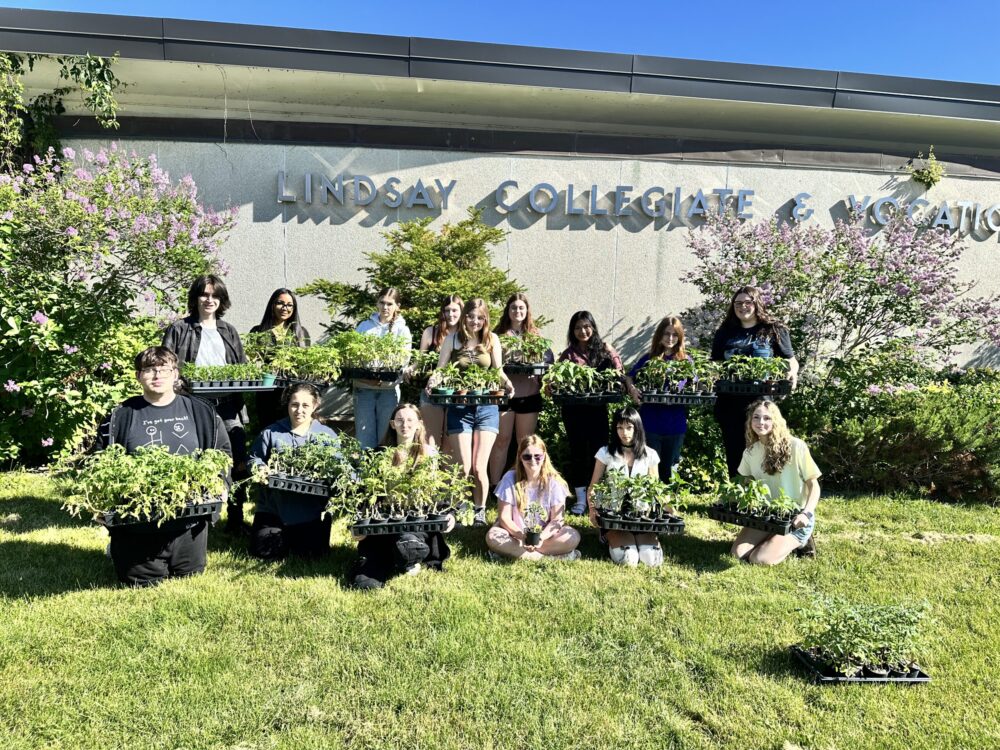
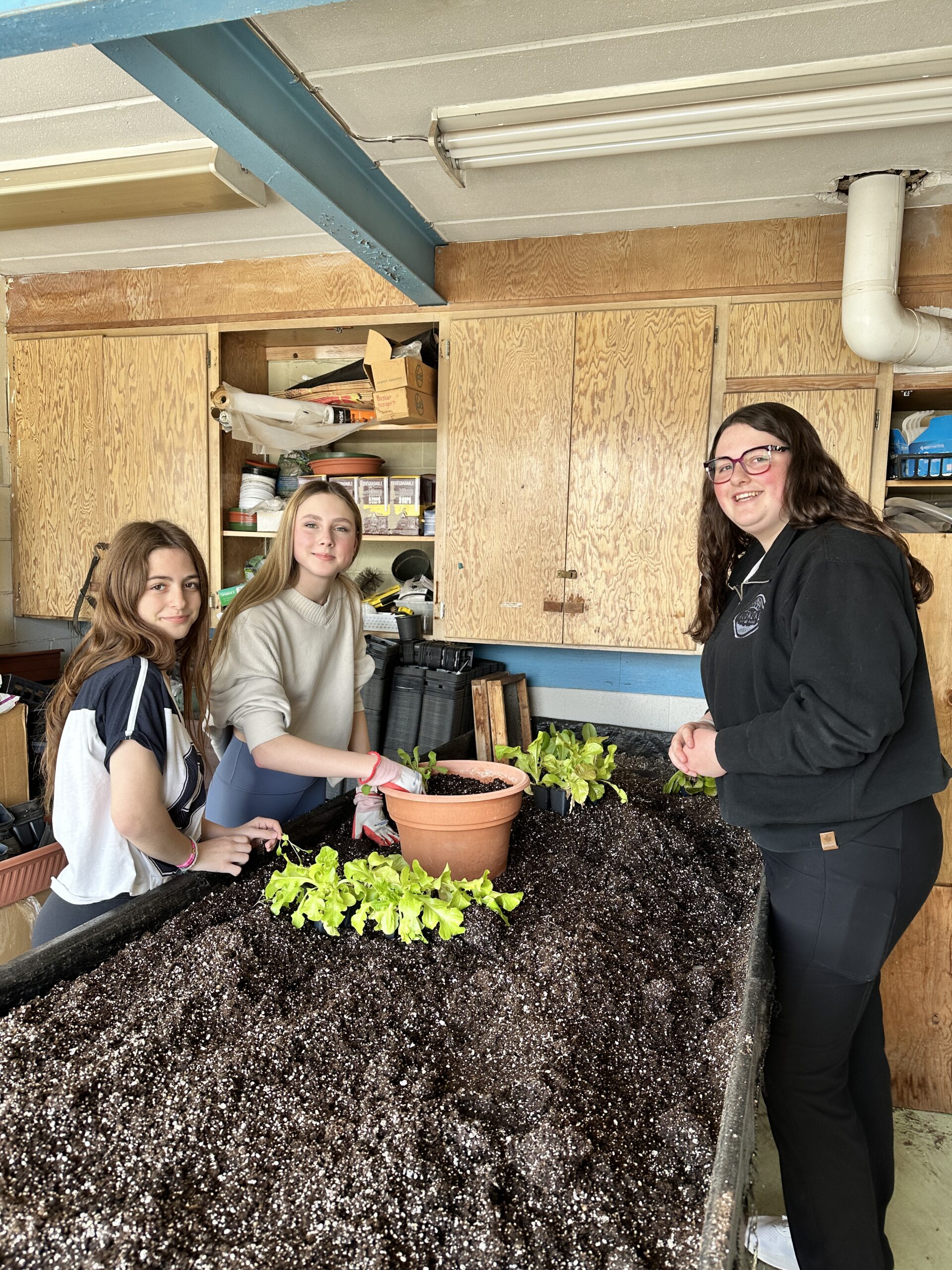
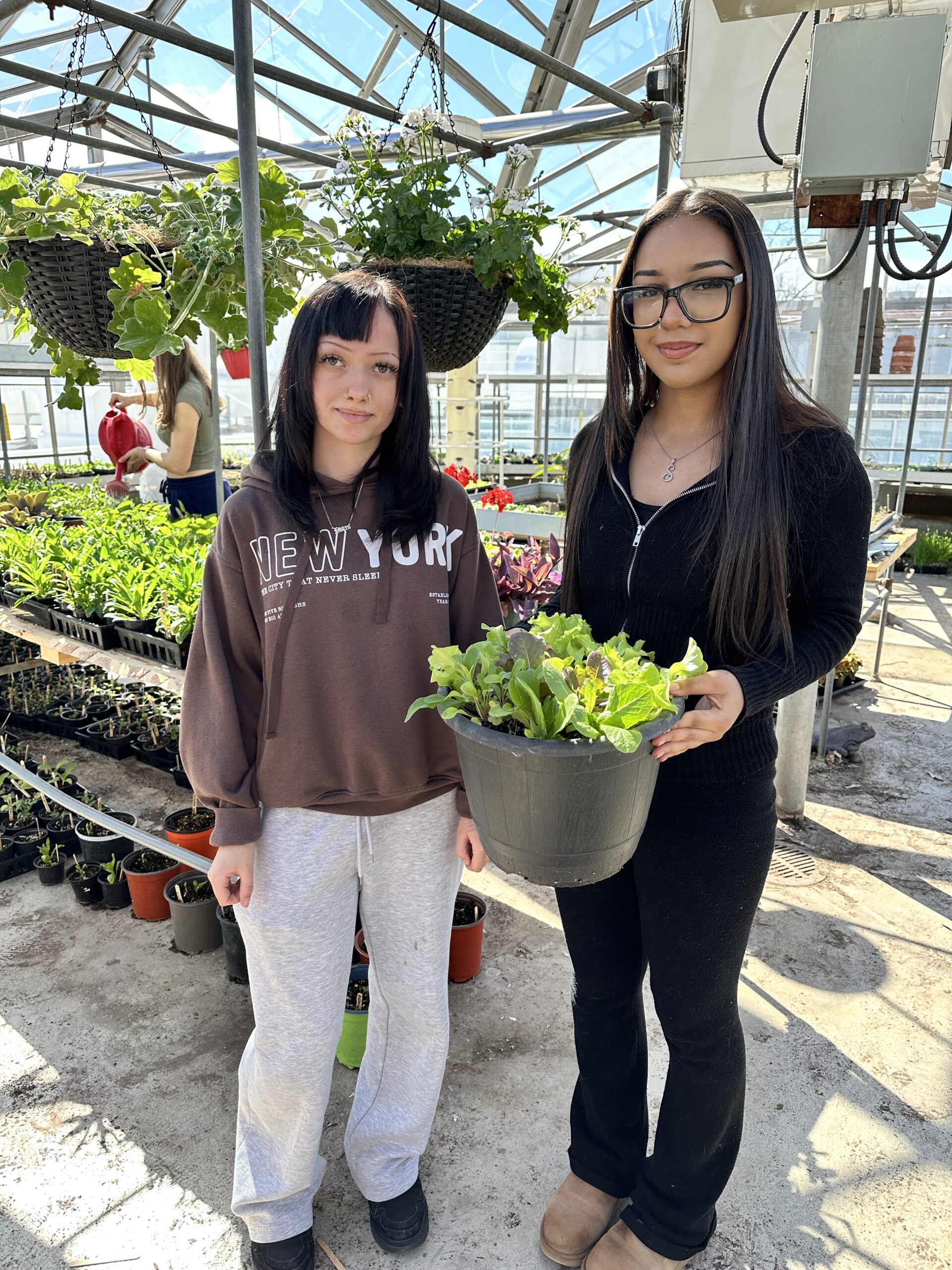
Students in Lindsay Collegiate and Vocational Institute’s (LCVI) Green Industries classes (THJ2O and THJ3E) are proving that hard work, dirty hands, and a bit of passion can yield incredible results for both their education and their community.

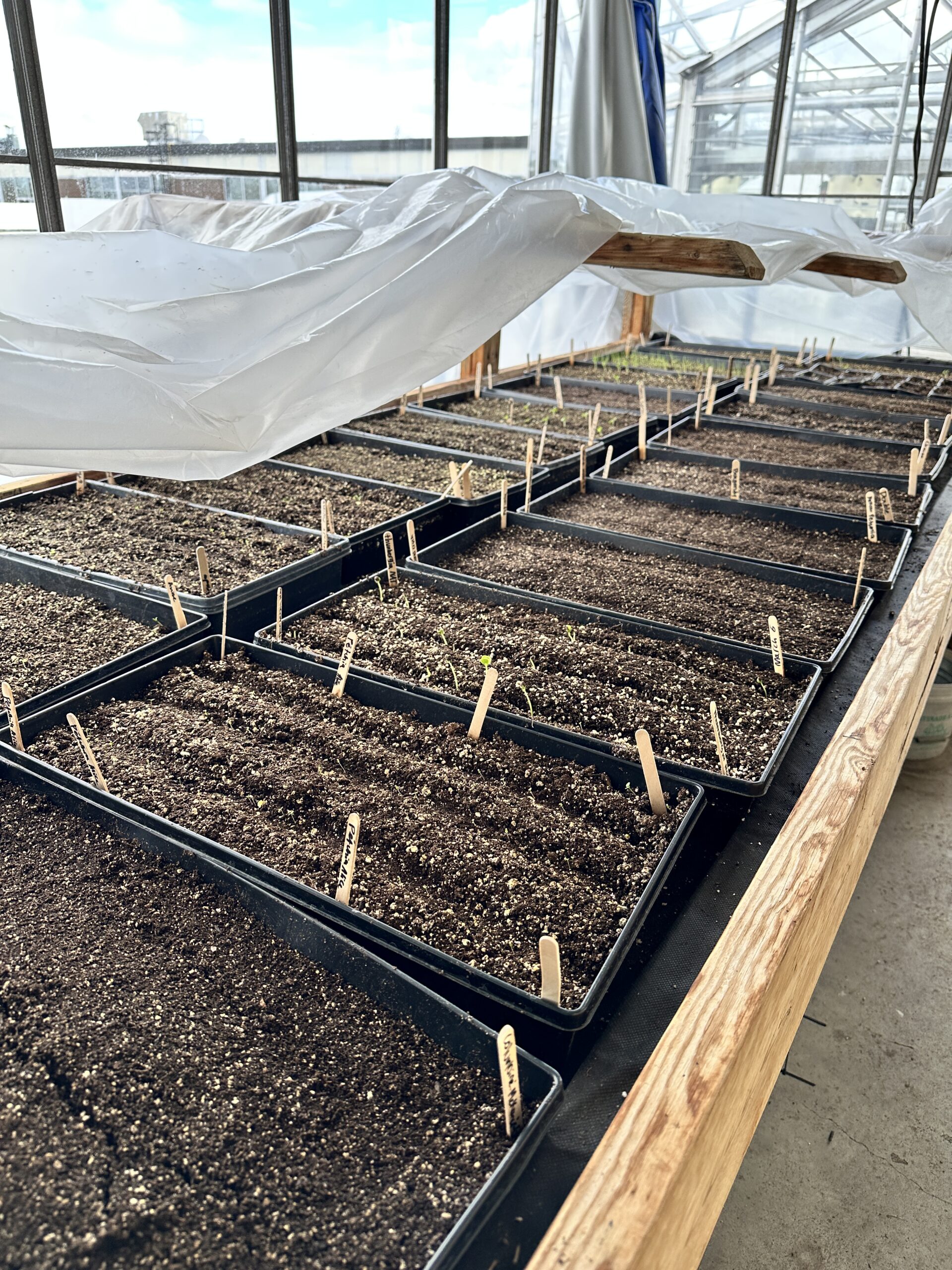
Throughout the semester, these dedicated students have been transforming the school greenhouse into a bustling hub of horticultural life. They have learned many aspects of plant science, including propagation techniques and the production process required to produce a crop of plants in the greenhouse.

From Seeds to Success: The Annual Plant Sale

The culmination of their hard work was on full display at the recent LCVI Plant Sale. The sale featured a wide assortment of vibrant annual and perennial flowers to brighten up gardens, as well as hearty vegetables and aromatic herbs ready for backyard plots.

Growing with Purpose: Supporting the Edwin Binney Community Garden

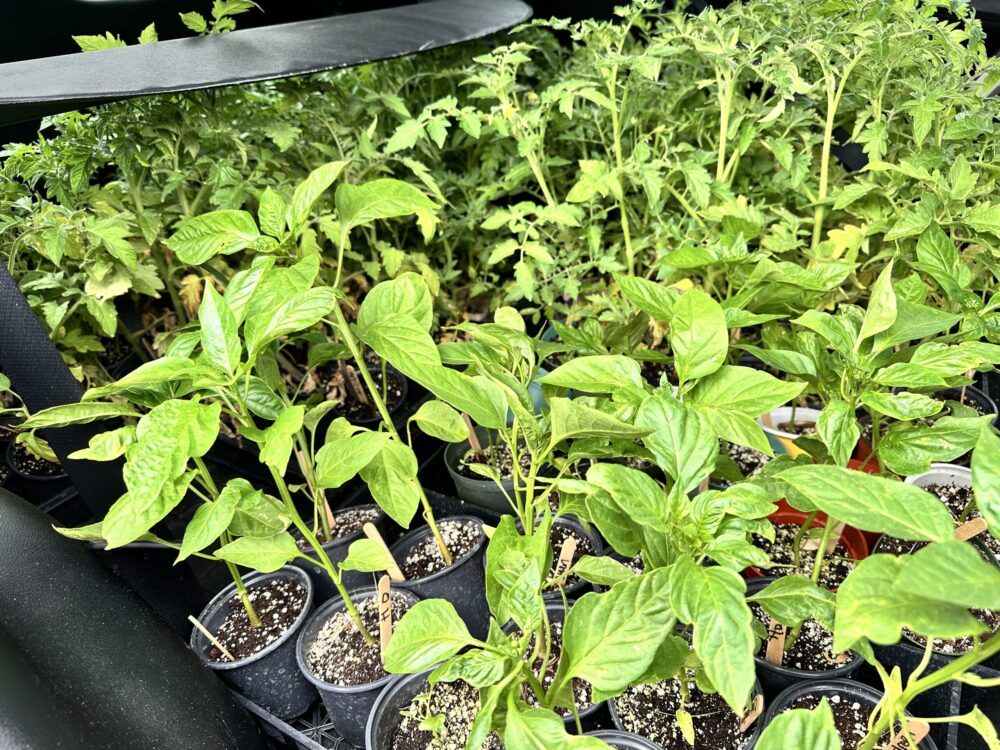
Beyond their commercial success, the Green Industries class has poured immense effort into a massive community donation project. Raechel Woodrow, Garden Coordinator of the Edwin Binney Community Garden, says “The students in the Green Industries class have made an incredible contribution to our community by growing hundreds of tomato and pepper plants from seed for our garden. Their dedication, care, and hard work will help produce hundreds of pounds of fresh food for local food banks and community programs, increasing access to healthy, nutritious produce for people who may not always have the opportunity to enjoy fresh fruits and vegetables. We are so grateful for their efforts and the lasting impact they will have on our community.

An average of 15,000 – 20,000 pounds of food is harvested and donated to over 25 different community organizations in the City of Kawartha Lakes and Haliburton annually in an attempt to combat growing food insecurity. The Edwin Binney community garden is a partnership between the United Way CKL, Crayola, and previously, Fleming College. Unfortunately, the termination of the sustainable agriculture program at Fleming resulted in the loss of major support at the community garden. LCVI’s Green Industries class wanted to help.

This wasn’t a hands-off project. To get these crops ready, the students were responsible for the entire lifecycle of the plants, including:

  • Seeding: Carefully planting and germinating hundreds of seedlings.
  • Transplanting: Moving delicate seedlings into larger pots to ensure strong root systems.
  • Daily Maintenance: Creating strict schedules for watering, monitoring soil health, and properly fertilizing the plants.

“These students haven’t just been learning about agriculture; they’ve been learning about community responsibility,” said Tanya Garland, Green Industries Teacher. “They showed up every day ready to get their hands dirty.”

Recognizing Excellence

Mrs. Garland would like to formally recognize and congratulate all of the students in the THJ2O and THJ3E courses. The tireless effort, attention to detail, and community spirit by the students have made a tangible difference in the school and across the wider community. They have truly shown what it means to grow a better future.

How Can You Get Involved?

Please complete a volunteer form [https://hkl.unitedway.ca/volunteer-form/] if you are interested in getting involved with the Edward Binney Community Garden. You can also reach out to the Farm Manager at raechel@hkl.unitedway.ca, or on social media @unitedwayhkl.

@lcvispartans @trillium_lakelands_dsb @unitedwayhkl

Drafted by Tanya Garland with editing and structural assistance from Gemini (AI).

A Note From United Way

We want to extend a special thank you to Tanya Garland and the Green Industries students who supported the Edwin Binney Community Farm & Education Centre. Their hard work and dedication in growing these plants will make a meaningful impact by helping provide fresh produce to local families and individuals across Haliburton and Kawartha Lakes while strengthening food security in our community.

Beyond the food they are helping grow, these students have also contributed to a valuable learning experience that connects education with sustainable agriculture, community care, and the importance of strengthening local food systems. Through hands-on learning, they are gaining valuable skills while helping create a more food-secure future for our community. We are incredibly grateful for their commitment and the lasting difference they are helping create through their contributions to the farm.
By |2026-07-13T13:47:17-04:00July 13th, 2026|Uncategorized|Comments Off on LCVI Green Industries Students Dig Deep to Cultivate Community Growth

Let’s Welcome our New Farm Manager, Raechel!

We are excited to welcome Raechel Woodrow as the new Farm Manager at Edwin Binney’s Community Farm & Education Centre!

Raechel brings a strong background in horticulture, urban agriculture, and farm operations, along with a passion for sustainability, education, and community collaboration. Her experience and enthusiasm will help support the continued growth of the farm and its role in strengthening food security across Haliburton and Kawartha Lakes.

As Farm Manager, Raechel will oversee day to day farm operations, support volunteers and community partnerships, and help ensure fresh produce continues to reach local organizations and community members. She is also passionate about creating opportunities for learning and connection, helping people better understand where their food comes from and how growing food can bring communities together.

The Edwin Binney Community Farm & Education Centre is more than just a farm. It is a place where people can learn new skills, connect with others, and contribute to a healthier, more food secure community. We are excited to have Raechel leading this work and helping us continue to expand our impact.

Please join us in giving Raechel a warm welcome to the United Way Haliburton Kawartha Lakes team. We look forward to an exciting season ahead!

By |2026-06-04T14:47:08-04:00June 4th, 2026|Uncategorized|Comments Off on Let’s Welcome our New Farm Manager, Raechel!

Clash of the Chords

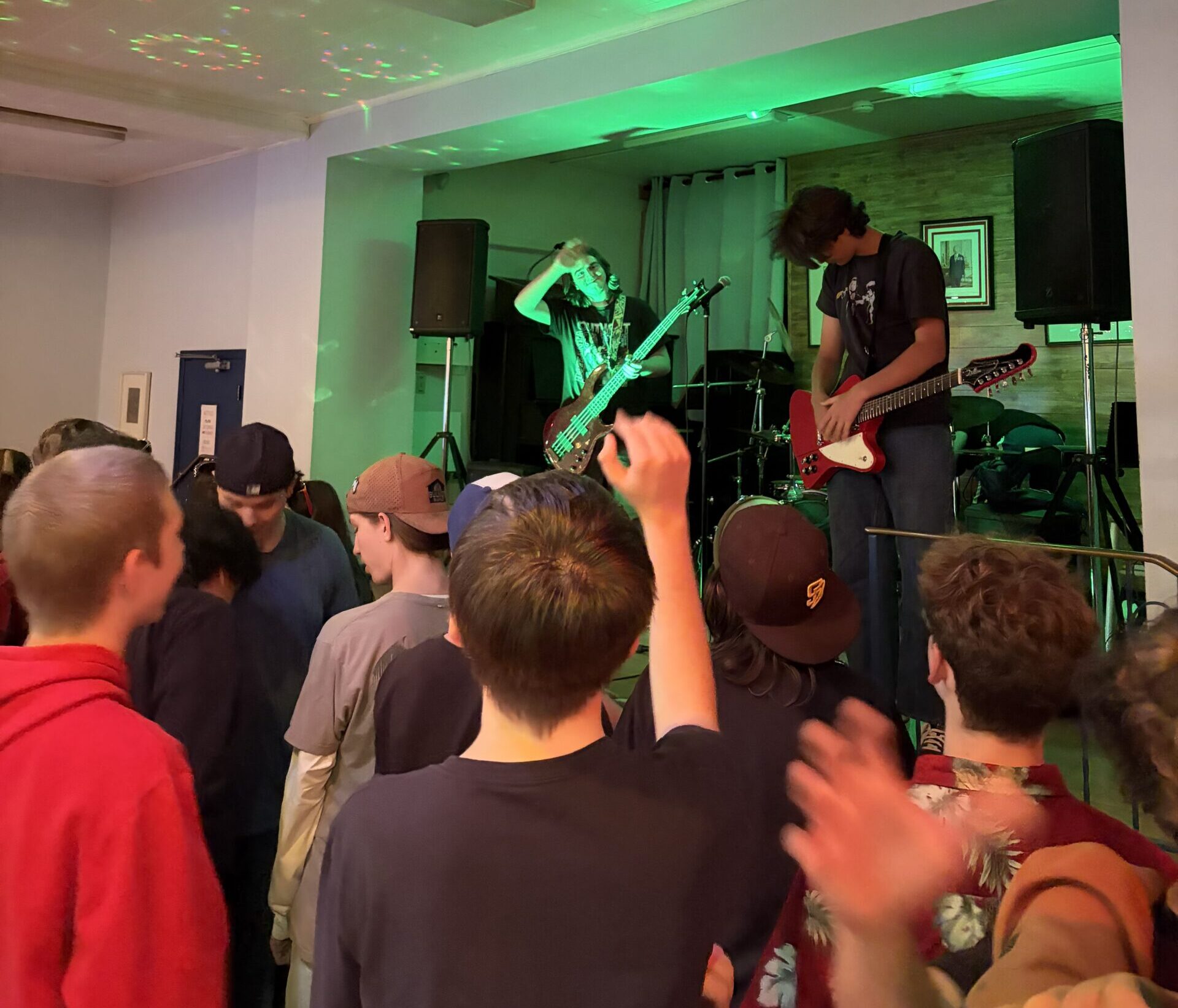
The second annual Clash of the Chords was a huge success, bringing together local high school musicians, friends, and families, for an amazing evening of live music and community spirit.

Hosted by LCVI student Jonas Giese, the sold out event featured talented young musicians from our community competing for the title of Clash of the Chords champion. Audience members played an important role throughout the night, voting for their favourite performances and helping determine the final rankings.

Congratulations to this year’s winners:

🥇 Anthropologie – 1st Place

🥈 The Study Group – 2nd Place

🥉 The Mis-Haps – 3rd Place

The event showcased the incredible talent that exists right here in our community. For many of the performers, Clash of the Chords provided an opportunity to gain valuable experience performing in front of a live audience. It also gave fellow students and community members a chance to discover and support local talent.

Beyond the competition itself, events like Clash of the Chords help build community by bringing people together around a shared experience. Whether attendees came to support a friend, discover a new favourite band, or simply enjoy a night of live music, the event created a welcoming space where people could connect and celebrate local youth.

We are incredibly grateful to Jonas Giese for organizing this event and for using his passion for music to make a positive impact in our community. Clash of the Chords is a wonderful example of how people can bring the community together in ways that are fun, engaging, and meaningful while also raising funds that give back locally.

Proceeds from the sold out event were donated to United Way Haliburton Kawartha Lakes, helping support programs and initiatives that strengthen our communities.

Have an idea for a fundraiser? Whether you’re a student, community group, or local resident, we’d love to help you bring it to life while making a positive impact in our community.

By |2026-06-04T14:29:33-04:00June 4th, 2026|Uncategorized|Comments Off on Clash of the Chords

Name Change Announcement


The staff and Board of your local United Way are pleased to share that we have undergone a change of name from United Way City of Kawartha Lakes to United Way Haliburton Kawartha Lakes.

As an organization that has long provided services and supports in both regions, this change will better reflect both unique communities. Although we are operating under UWHKL, the full transition will take some time. Donations can now be made out to United Way Haliburton Kawartha Lakes.

During this transition, we are committed to continuing to be a voice for our communities, provide resources and supports, and deliver on our mission to build a strong community and improve lives in Haliburton and Kawartha Lakes.

If you have questions please direct them to Co-Executive Directors Emily Beall and Shantal Ingram. emily@ckl.unitedway.ca , shantal@ckl.unitedway.ca


By |2025-07-14T11:13:08-04:00July 14th, 2025|Uncategorized|Comments Off on Name Change Announcement

UWHKL and Boshkung Brewery Launch a Beer with Purpose

Come out to our newest fundraiser launch!

We have partnered with Boshkung Brewery out of Minden to release a community-focused beer; a light lager we’ve named Paddle with Purpose. Sales of these cans will support United Way for Haliburton Kawartha Lakes and our poverty reduction programming as well as our community investments into vital local services such as child and youth mentorship, emergency housing, food access, and more. We are keeping the label design as a secret, so make sure to stop by to see what it looks like when a United Way and a brewery work together.

Although we are launching this fundraiser on July 10th, cans will be available for purchase all year long through Boshkung. https://www.buyboshkungbeer.com/shop/packaged-beer/46

Join our beer release event to sample, purchase cans, and speak to the great team that is brewing and selling Paddle with Purpose!

When: Wednesday July 10th 2:30-4:30pm

Where: Edwin Binney’s Community Farm & Education Centre at 15 Mary Street W, Lindsay. (The lot next to Crayola).


By |2025-07-14T10:33:54-04:00July 3rd, 2024|Uncategorized|Comments Off on UWHKL and Boshkung Brewery Launch a Beer with Purpose

Catch Us on TV!

Our documentary, The Garden, is streaming on Rogers TV throughout March. The film documents the first season of Edwin Binney’s Community Farm & Education Centre and details the planning and partnerships that have made the space so successful.

Rogers TV Schedule:

Monday April 15th: 4:00pm

Wednesday April 17th: 1:00pm

Friday April 19th: 10:00pm

Saturday April 20th: 3:00pm

Or what it online anytime here:

The Garden: Feeding The Community One Plant At A Time – Kawartha Lakes (rogerstv.com)


Hear about our work in the community, service agency grants, fundraisers, and plans for Edwin Binney’s Community Farm & Education Centre on our episode of Spotlight Kawartha on Rogers Ignite Channel 548 or Cable Cable channel 26.


We are also on Rogers TV’s Farm to Fork talking about our food security work and food literacy programming.


By |2024-04-11T10:44:12-04:00March 6th, 2024|Uncategorized|Comments Off on Catch Us on TV!

INTERNATIONAL DAY FOR THE ERADICATION OF POVERTY – Addressing the Root Causes of Poverty to Lift Our Communities Up

When it comes to tackling poverty across the globe, there is still a lot of work to be done. According to statistics from the United Nations, given current trends, 575 million people will still be living in extreme poverty in 2030 – and only about one third of countries will meet the target to halve national poverty  levels. In Canada specifically, millions of people rely on community service organizations to fill the gaps left by inadequate incomes to access food, shelter, mental health supports, and other basic needs. In the first six months of this year alone, the 211 helpline received over 43,000 housing related requests, which is a 22% increase from the previous 6-month period.


A report from the University of Toronto shows that 1 in 5 children under the age of 18 in the ten provinces lives in a household that experienced some level of food insecurity. In addition, households with children led by female lone parents are especially vulnerable to food insecurity—38% of these households were food insecure. In 2021, up to 163 million people were estimated to have been pushed into poverty worldwide after the onset of the pandemic. Although Canada was not spared, a number of federal government funding programs helped millions stay afloat during the COVID-19 pandemic. During that time, Canada experienced record declines in child poverty, which demonstrates the need for ongoing federal government funding to maintain and build on these gains in poverty reduction.


Our network is committed to working towards ensuring an equitable future for all communities across Canada. From coast to coast to coast, United Way Centraides are often the primary resource for the rising number of people falling below the poverty line in our communities. As local experts, we play many roles in community: as collaborators working alongside agency partners and community organizations, as enablers by funding programs and services, as advocates by shining light on tough social issues like poverty while pushing for sustainable solutions, and more.


To tackle poverty, United Way Halifax has helped fund housing support organizations like Welcome Housing, Public Good, and The North Grove, the latter having helped people like Sam, a single mother with two daughters who have been ‘renovicted’ three times and unhoused for quite some time. In the Prairies, United Way Saskatoon & Area are seeing success in helping people experiencing homelessness through the Journey Home program launched in partnership with Saskatoon Crisis Intervention Service. Across the country, United Way Centraides are continuously working to fund or partner with organizations that help reduce poverty and assist communities with basic needs.


As we observe the International Day for the Eradication of Poverty, we at United Way Centraide Canada recognize the importance of tackling poverty at both the community and national levels. We commend our local United Way Centraides and their network of community organizations who work together to address the root causes of poverty across Canada. And we remain committed to advocating nationally for additional income support programs and other benefits from the federal government in order to move towards an equitable future for all.

By |2023-10-17T08:29:23-04:00October 17th, 2023|Uncategorized|Comments Off on INTERNATIONAL DAY FOR THE ERADICATION OF POVERTY – Addressing the Root Causes of Poverty to Lift Our Communities Up

A Message from our Co-Executive Directors

ExecutiveAs we enter the midway point of our first year as Co-Executive Directors we wanted to share some exciting things that are taking place at United Way for the City of Kawartha Lakes.
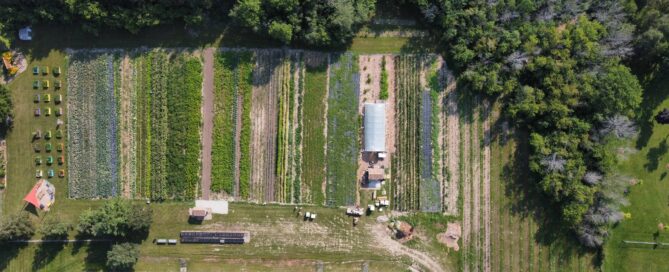

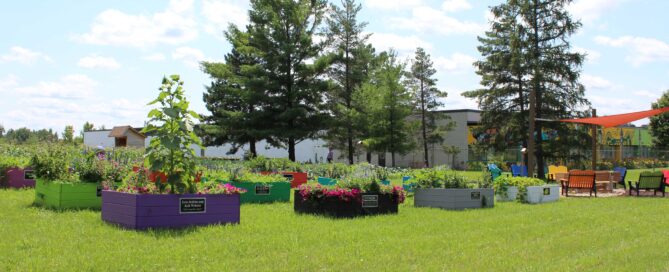
This year will be the 5th season for Edwin Binney’s Community Garden, the food security and food literacy project we’ve developed in partnership with Fleming College and Crayola Canada. This dream of our former Executive Director, Penny Barton Dyke, has grown beyond what we could have ever imagined. The farm has produced over 56,000 lbs of produce in four years, all of which is donated to community agencies, food banks and food programs. If you are interested in touring the garden contact the office and we would be happy to share this important initiative with our community members.

We also have a number of events and fundraisers taking place over the next few months. We invite you to consider taking part in one or more to help us make real and impactful change in our region. All funds raised in City of Kawartha Lakes stay in City of Kawartha Lakes. All funds raised in Haliburton County stay in Haliburton County.

Adopt a Crop: This is an opportunity to sponsor one of the crops we grow at Edwin Binney’s Community Garden. By adopting a crop, you receive website, social media and special event promotion and recognition. https://hkl.unitedway.ca/adopt-a-crop/

Spruce Up Your Space Raffle/Off-Grid and Outdoors Raffle: United Way for the City of Kawartha Lakes will be running a cottage reno raffle this spring. Tickets are on sale now and the draw will place June 7th. There will be one draw each for Haliburton County and City of Kawartha Lakes.

Giving is Believing Golf Tournament: The second annual Giving is Believing Golf Tournament will take place on Thursday, June 22nd at Wolf Run Golf Course in Janetville. Join us for a round of golf and a delicious meal, be a tournament sponsor or donate a golfer prize. Register here

Workplace Campaigns and Corporate Donations: Running a workplace campaign has several benefits. It is a great way to team up and make a long-lasting impact for our families, neighbours and co-workers. Workplace campaigns usually take place in the fall. Learn more here.

Leadership Gifts: Make a statement in your community. As a Leader, your support will drive social change and make a lasting impact for those most vulnerable in Haliburton County. Show your support by donating at one of three giving levels: Pathfinder – $1,200 – $1,499, Trailblazer – $1,500 – $4,999 and Changemaker – $5,000+. Contact us for more information.

The Pandemic has impacted our community in numerous ways and we have see increases in the need for mental health, food and housing supports. Our service agencies are beyond capacity and are revising how to deliver supports to meet the needs of folks locally. Non-profits are in need of your support, and we know that together we can make real and impactful change.

Thank you for supporting your United Way! Giving is Believing.

Emily and Shantal, Co-Executive Directors.

By |2023-08-25T14:28:32-04:00May 25th, 2023|Chairs|Comments Off on A Message from our Co-Executive Directors

From the Ground Up: Planning Your Garden

The adage holds true; if you fail to plan, you plan to fail. The success of our gardens greatly depends on us creating a solid plan. Typically, this process starts at the end of the previous season. With all the data collected throughout the season still fresh in our notes we can begin to identify what worked well, what could be improved, and things we might not do again. Hopefully we spend more time on the first two, but no one is born with a green thumb.  

Now, I hope you aren’t sweating thinking that you have missed your opportunity to start planning your garden. It’s only too late if you don’t start. By following this post, we hope to help you create an effective plan quickly that will get you producing food efficiently this season.  

Where do you start? 

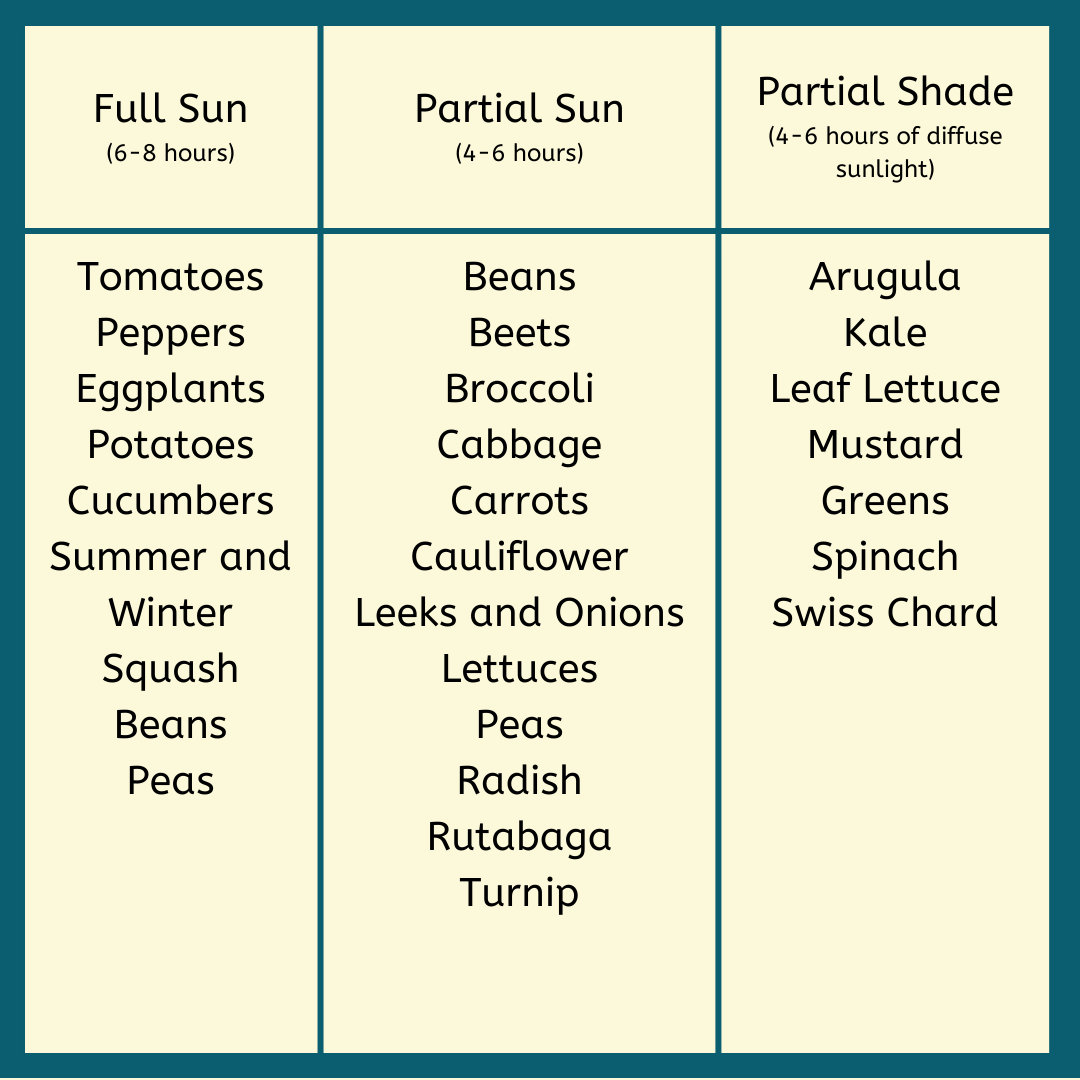
Before we can think about the types of plants we want to grow, we need to first determine the best spot to put our garden. Many people avoid starting a garden believing that they don’t have enough space or that the space they do have doesn’t get enough sunlight. Though many of our main crops do require full sun i.e., 6-8 hours of direct sunlight, many plants will do just fine in partial sun (4-6 hours of sunlight) or partial shade (4-6 hours of diffuse sunlight or shade in the afternoon). The first step we recommend is identifying the length and quality of sunlight that your potential growing area is exposed to. Make a list of potential garden sites that you have access to, this could be your entire back or front yard or a specific section of your yard, a deck or balcony for those with limited or no yard. Beside each potential garden space, list the light exposure (backyard – full sun 6-8 hours, front yard – partial sun 4-6 hours).  Another note on sun exposure is that throughout the season sections of our gardens can have varying degrees of sun exposure. An area that receives full sun exposure during the middle of summer might be a partial sun or partial shade area in the spring and fall. Keeping notes on the sun exposure of your garden can help you in further planning. 

Next, identify the terrain and landscaping elements of the potential garden spots. Is the area flat, sloped, or uneven? Is there anything already growing in the area (grasses, trees or perennial bushes)? Also, is the ground bare soil, mulched or paved? Identifying the quality of the terrain of a potential garden is an important step as it will give you an idea of the time commitment needed to build the garden. For example you may choose a spot that receives less sunlight but has ground that is flat, soft and rich in organic matter (basically ready for a garden) over a site that has full sun but also compact soil, is on a steep slope or is very uneven. Choosing the shadier garden location may mean you have to change your crop list for more shade tolerant plants (think lettuces and leafy greens such as kale, and many herbs do wonderfully in the shade). Last season I planted bush beans in an area that was mostly shade and produced an enormous amount of beans, others have had success growing peas, carrots, beets and even winter squash in partially shaded areas. Crops that do not do well in the shade however include potatoes, tomatoes, peppers and eggplant. Prioritize planting these in areas that do receive full sun. 

Now that you have a location that you are satisfied with, go back to our first post about soil to test its quality (structure, drainage, fertility etc). If you don’t have time to do the tests (or don’t want to) amending with compost is a cure all for every garden.

Crop Selection and Seed Procurement:

Your goals and location will likely be the biggest factors when deciding what vegetable or fruit crops you want to grow. Many gardeners grow to save money, become self-sufficient or to provide a larger variety of crops to their diet than grocery stores offer. 

If saving money is a major motivation, you may want to consider herbs as a top priority. On a per pound basis herbs and spices are the most expensive produce items at any grocery store with many costing over $50/lb! Lettuces and other leafy greens are also great options to grow to decrease the grocery bill. Many salad ingredients (lettuce, radish, green onions) grow incredibly fast, while leafy greens like kale produce quickly and for long periods of time. 

Perhaps you are wanting to become more self-sufficient. In this case growing higher calorie crops that have the ability to be stored for prolonged periods will be a feature you look for. Excellent crops to grow for storage are potatoes, onions, carrots, parsnips, turnips (I’ll save myself some time and just say basically any root crop is great for storing) and winter squashes. These crops are fantastic choices for the self-sufficientest (not sure that’s a word) as they provide energy and vital nutrients during the bitter Winter months. Other options for self-sufficiency are crops that are dried for storage. Many gardeners refrain from growing corn as ears of sweet corn are extremely affordable when in-season. However, there are many varieties of dry corn available which can be ground into corn flour for breads and tortillas. Dry beans are a necessity for any self-sufficientest (yes, it’s a thing now) as they are magnificent sources of protein. In a future post we will explore and demonstrate how squash, corn and beans are incredible crops to grow together in an intercropping system. 

Finally, perhaps one of the most popular reasons gardeners continue to grow their own food every season is the enormous variety of crops available as seeds (compared to what is available at grocery stores or even the farm market). There are over 10,000 varieties of tomatoes despite grocery stores only selling a handful. How about potatoes? Over 4,000 varieties. Those are some pretty easy to think of examples. What about broccoli? I don’t think I’ve ever seen grocery store broccoli be labeled anything other than broccoli. It is actually possible to find 40 different varieties of broccoli seeds. They come in all shapes, sizes and even colors! 

These are just a few of the most popular reasons to start a garden and things to consider when selecting the crops you want to grow. Perhaps the most important thing to consider when planning your crops is to select ones that you actually enjoy eating as this will only encourage and motivate you to grow more. 

Now that you have an idea of what crops you would like to grow you will need to consider if they are well suited for your context. Refer to the chart below for crops that grow well in the various forms of sun exposures. Note: this is not an exhaustive list, just some ideas to help you get started. 

Next you may be wondering how to procure your seeds. Springtime is a spectacular season, the snow is beginning to melt, buds are forming on the trees, the birds are returning and filling the outdoors with their beautiful songs and every garden/grocery/hardware and dollar store has their planting and gardening isles full of seeds, tools, bobs and gardening doodads. 

These stores are great places to purchase seeds though grocery, hardware and dollar stores likely won’t have the variety that garden centers do. As well, garden centers do not carry anywhere near the variety of seeds that are available through online sources. 

Each seed source has benefits and drawbacks associated with them. Local stores typically only stock the most popular varieties and depending on the location of online sources shipping and pollution costs may be high. With a little bit of research however you are likely going to be able to find a local seed producer that grows rare and diverse seeds mitigating both the drawbacks of box stores and online retailers. Being a small business that specializes in rare seeds expect to pay more or get fewer seeds for your dollar. 

Heirloom, Hybrid and GM Seeds

With the “growing” popularity of gardening (lame gardening jokes and puns will be a theme in all blogs), there are many different camps and opinions about what kind of seeds you should get for your garden. Again, your gardening goals will likely be a major determining factor when you are purchasing seeds as each type of seed (heirloom or hybrid) has a distinct set of benefits and negatives. 

First, it is important to dispel a common myth. Genetically modified seeds are not available to home gardeners. You can not purchase them at the grocery, hardware store or garden center and you can not get them through online seed suppliers. They are only available to farmers. These are crops that have had specific genetic material added to them to make them resistant to herbicides, pesticides, or to improve traits that allow them to grow in an environment that they may not have thrived in before. Why are these seeds not available to home gardeners? One major reason is that regulators want to limit the ability of GM crops to cross with native plants which could lead to an ecological disaster. Another is that adding genetics for herb- or pesticide resistance allows the farmers to spray large fields with chemicals to kill weeds more efficiently and economically. The use of these chemicals is also tightly regulated and requires certification. So, GM seeds are not available to the public.

What about heirloom and hybrid seeds? 

Heirloom seeds are ones that have been isolated from other varieties and grown for many generations until their genetics become relatively stable. The stability of these genetics means that plants grown from these seeds will produce plants and fruits that are the same as the parent plants. The main benefit of heirloom seeds is that home gardeners can save the seed, plant it next year and grow the same crop (as long as it has not crossed with another variety). 

Sometimes new gardeners will get “hybrid” seeds confused with GM seeds. They most definitely are not the same. Hybrid seeds are ones that have been selectively bred from two varieties of a crop. You will most often see “F1” after the variety type on seed packets indicating that the seeds are hybrids.  Seed breeders hand pollinate two varieties of a crop by transferring pollen from a flower on one variety to a flower on the other variety. Tomatoes are often cross pollinated this way to create hybrid seeds. Hybrids often have traits that allow the plant to taste better, improve appearance, improve hardiness, improve disease or pest resistance. There does seem to be trade offs such as growing seeds from hybrid plants will not give you the same plant as heirloom varieties do. Often people will also report that hybrid plants that are grown for improved disease/pest resistance, improved appearance or hardiness, or for better storage don’t taste as good as heirloom varieties. 

My simple suggestion for new gardeners… save seed saving for later. Grow plants that are easy, produce a lot and that you really enjoy eating. There isn’t much that is more rewarding and encouraging for new gardeners than finally getting your first harvest and enjoying fruit and vegetables picked at the peak of their ripeness. Conversely, there isn’t anything more discouraging to a new gardener than planning and caring for plants that don’t produce a great crop or that they really don’t like the taste of. 


I hope that this quick article helps to spark some thoughts for your gardens. Remember, gardening should be fun, enjoyable and relaxing. The planning phase can sometimes be overwhelming but try to stick to the basics. 1) Pick an ideal location and 2) grow what you enjoy to eat.

In the next article we will be discussing sourcing water for your garden and how to set up a rainwater collection system. Bookmark our page and check back each week for new posts. 


About the Author 

E Kelly (they/them), aka the Garden Gnome, is passionate about supporting the health of their community. While working closely with individuals in the health & fitness industry E noticed a concerning trend. Many individuals’ health concerns did not stem from a lack of knowledge, willingness or desire to eat healthier or exercise more. Instead, a growing number of health issues were correlated with a lack of access to healthy foods. Thus started E’s journey to learning more about sustainably produced foods and how to produce an abundance in small spaces.  

With a formal education in Kinesiology and years of experience growing food as a hobby, E is combining their experience and knowledge base to promote the production of local and sustainable produce.  

E is the Garden Coordinator at United Way of the City of Kawartha Lakes and Edwin Binney’s Community Garden located in Lindsay, ON.

By |2023-04-18T12:13:57-04:00April 18th, 2023|Community Gardens, Uncategorized|Comments Off on From the Ground Up: Planning Your Garden

From the Ground Up: Fit to Garden

Garden season is upon us whether we are ready for it or not! Before we get right into the heavy slugging of it though we should take a few moments to check in with our bodies to make sure they are up for the tasks ahead. Gardening can be physically taxing on the body requiring individuals to have a considerable amount of endurance, strength, flexibility and balance. Gardening can be a great way to improve your health and fitness, but taking on more than you can chew (pun intended!) may lead to injury which puts the rest of your season in jeopardy. In this post we’ll cover the endurance required for gardening and a simple fitness test to assess your aerobic endurance. 

The energy needed to perform gardening tasks can be measured in terms of METs, or metabolic equivalents of tasks. Simply put, MET values are a multiple of the energy required to maintain your metabolism at rest. Gardening comes in at 4 METs meaning it is 4 times as energy consuming than rest. Activities that are similar intensities include brisk walking, cycling, raking leaves, table tennis, and badminton.  

We can use the MET value to determine if an activity such as gardening is appropriate for our current fitness level. To do this we need to know two things; 1) the oxygen consumption rate of the activity and 2) our current VO2 max (the most amount of oxygen our bodies can utilize). The former is very simple, at rest roughly 3.5 ml of oxygen is consumed per kilogram of body weight per minute (ml.kg.min), so simply multiply the MET value of the activity by 3.5 and that gives the oxygen consumption of our selected activity per minute. For example, gardening is 4 METs multiplied by 3.5 gives 14 ml.kg.min O2. Finding a true VO2 max is slightly more challenging (and should be supervised by an exercise professional) but there are indirect and lower intensity ways of calculating an estimate of our VO2 max. A simple test that can be done on your own with minimal equipment is the Rockport One Mile Walking Test. You will need a stopwatch, heartrate monitor and a flat one-mile (1609m) walking route (a 400m running track works great). Before starting the test put on your heartrate monitor and perform a light warm up by walking for 5 to 10 minutes. Once ready, start your watch and start walking the one-mile route as quickly as possible, make sure not to run or skip, one foot must be always on the ground. Once you have completed the mile stop your watch and immediately check your heart rate. Now to calculate your estimated VO2 max you can input your data into the equation below. (If you want more information on the Rockport One Mile Walking Test follow this link; Rockport Fitness Test (topendsports.com) ) 

132.853 – (0.0769 × Weight (kg)) – (0.3877 × Age) + (6.315 × Gender (1=male, 0=female) – (3.2649 × Time to complete test) – (0.1565 × Final heart rate) = VO2 max (ml.kg.min) 

Now that you know your estimated VO2 max you can determine the relative intensity of gardening to your fitness level. Divide the oxygen consumption of gardening (14 ml.kg.min) by your VO2 max and multiply by 100, which gives you a percentage value. If your value is less than 80% you are in great shape to garden as much as you see fit. If your value is greater than 80% you can still feel safe in the garden, but you may want to perform your garden tasks in smaller chunks of time (15-20 minutes) and gradually increase over the season.  

Gardening is a great way to get active and improve many aspects of health. No matter your current fitness level, make sure to start the season off easy and gradually increase as the season progresses. Rest in the shade, drink lots of water and make sure to enjoy nature around you.  

About the Author 

E Kelly (they/them) is passionate about supporting the health of their community. While working closely with individuals in the health & fitness industry E noticed a concerning trend. Many individuals’ health concerns did not stem from a lack of knowledge, willingness or desire to eat healthier or exercise more. Instead, a growing number of health issues were correlated with a lack of access to healthy foods. Thus started E’s journey in learning more about sustainably produced foods and how to produce an abundance in small spaces.  

With a formal education in Kinesiology and years of experience growing food as a hobby, E is combining their experience and knowledge base to promote the production of local and sustainable produce.  

E is the Garden Coordinator at United Way of the City of Kawartha Lakes and Edwin Binney’s Community Garden located in Lindsay, ON. 

By |2023-04-14T13:04:52-04:00April 14th, 2023|Community Gardens, Uncategorized|Comments Off on From the Ground Up: Fit to Garden
Go to Top